The One-Page Agreement Every Builder Should Send Before Starting
- Skipping the paperwork feels friendly. It is the single biggest cause of scope creep and unpaid work.
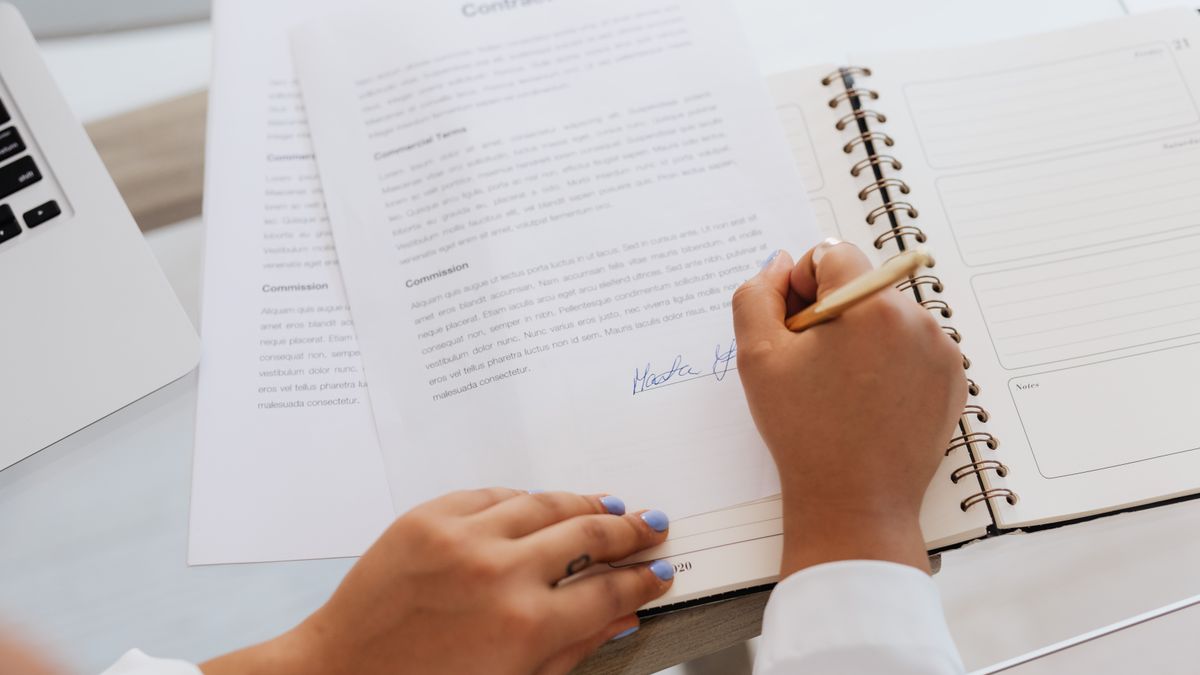
- One page is enough: scope, price, timeline, payment terms, and what is not included.
- The agreement is not a legal shield you hide behind - it is a shared understanding that makes clients trust you more.
Why 'We'll Keep It Casual' Costs You Money
New builders skip the agreement because it feels like it will slow the deal down or make them look uptight. The opposite is true. The client who ghosts on the final invoice, the one who keeps adding 'small' requests, the one who says 'that is not what I asked for' after you deliver - all of them started with a handshake and nothing in writing.
A written agreement does not make you look like a big agency with a legal team. It makes you look like someone who has done this before. That is exactly the signal a nervous client is looking for before they hand you money.
The Five Things Every One-Pager Needs
You do not need a ten-page contract full of clauses you copied from the internet. You need one page that answers the five questions every project eventually argues about.
- Scope - what you are building, in plain language, specific enough that both of you picture the same thing.
- Price - the total, stated once, clearly. No 'starting from,' no vague ranges once the deal is agreed.
- Timeline - when you start, roughly when you deliver, and what depends on the client getting you things.
- Payment terms - how much up front, how much on delivery, and when payment is due. A deposit is not optional.
- What is not included - the single most valuable line on the page, because it is where scope creep goes to die.
Why the Deposit Line Matters Most
A client who will not pay a deposit is telling you something before you write a line of code. The deposit is not about the money in your account today. It is a filter. Serious clients pay it without blinking. The ones who hesitate are the ones who would have haggled the final invoice or vanished at delivery.
How to Send It Without Sounding Like a Lawyer
The tone is everything. You are not serving papers. You are confirming a shared understanding so nobody gets surprised. Frame it that way and it becomes a trust-builder, not a speed bump.
- After the call, send it same-day while the excitement is still warm.
- Say something like 'Here is a quick one-pager so we are on the same page - scope, price, and timeline. Once the deposit clears I will get started.'
- Keep it to one page and plain language. If a clause needs a lawyer to read, cut it.
- Make saying yes easy - a reply, a simple e-signature, or a deposit link. Do not make them print anything.
It Closes Deals, It Does Not Slow Them
The fear is that paperwork kills momentum. In practice the one-pager does the closing for you. It takes a vague 'yeah let's do it' and turns it into a concrete yes with a number, a date, and a deposit. Ambiguity is what stalls deals. Clarity is what closes them.
Send it every time, even for the small jobs, even for the friend-of-a-friend. Especially for those. The projects that go sideways are almost always the ones you were too casual to write down.
Short, practical drops on offers, outreach, pricing, and closing clients with Claude Code. No spam, unsubscribe anytime.
Frequently asked
Do I really need a contract for a small build?
Yes, and small builds are exactly where it matters most, because they are the ones people skip. You do not need a long contract - a single page covering scope, price, timeline, payment terms, and what is not included is enough to prevent almost every dispute.
What should a one-page agreement include?
Five things: the scope in plain language, the total price, the timeline, the payment terms including a deposit, and a clear list of what is not included. That last line prevents most scope creep on its own.
Should I always take a deposit before starting?
Yes. A deposit filters serious clients from time-wasters and protects you from doing finished work that never gets paid for. A client who refuses a reasonable deposit is showing you how the final invoice would have gone.
How do I send an agreement without scaring off the client?
Frame it as confirming a shared understanding, not as legal protection. Send it same-day after the call, keep it to one page of plain language, and make saying yes easy with a simple e-signature or deposit link. Done right, it builds trust and closes the deal faster.
Last reviewed July 15, 2026.

Co-founder of the Claude Code Profit Room. Built and sold AI services to real clients; writes about offers, pricing, outreach, and closing with receipts.
More from Duncan Rogoff →