What to Do When a Client Goes Silent
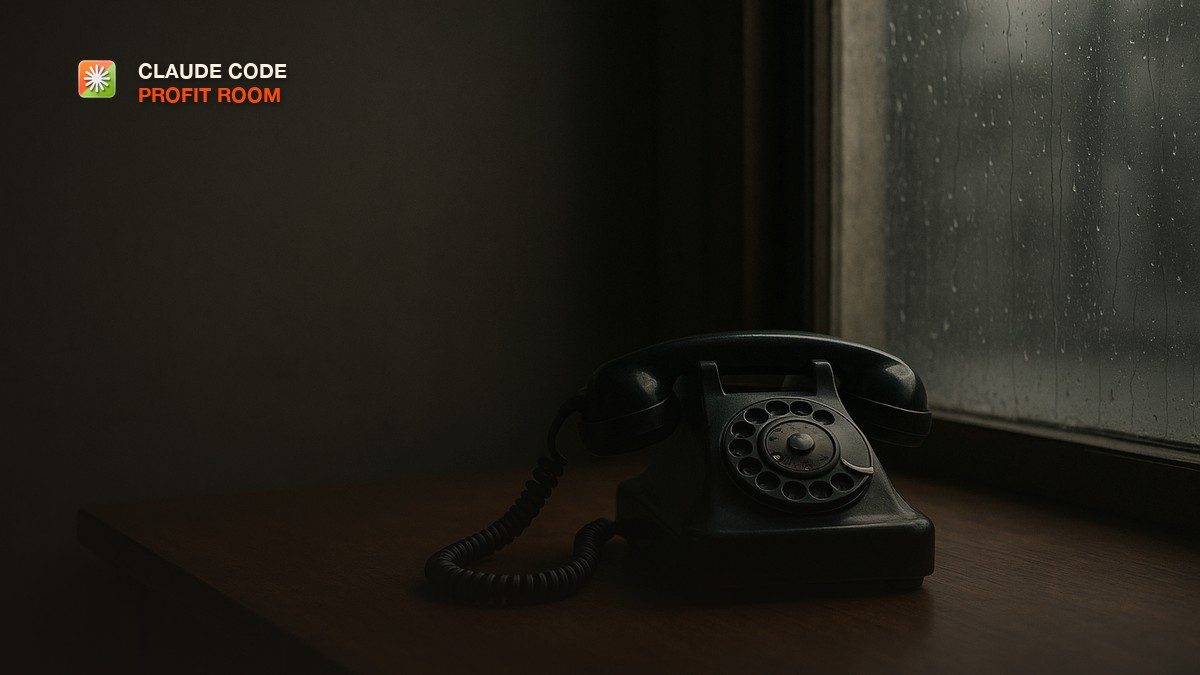
- When a client went silent, follow up with a short, low-pressure message that makes it easy to say yes, no, or 'not yet' - not another pitch.
- Silence is usually about their priorities, not your work, so do not read rejection into it or apologize your way through the follow-up.
- Give it two or three spaced follow-ups, then send one clean close-the-loop message and move on.
What to Do When a Client Goes Silent
When a client went silent, the right move is a short, low-pressure follow-up that makes it easy for them to respond in any direction - yes, no, or 'not right now.' You are not resending the pitch and you are not apologizing for existing. You are giving a busy person a simple, friendly nudge and an easy way to close the loop. Do that two or three times, spaced out, and if there is still nothing, send one clean final message and move your energy to a live lead.
The instinct most builders have is exactly wrong. Silence feels like rejection, so they either vanish out of pride or overcorrect with a long, anxious message that reeks of desperation. Both cost you the deal. The client who went quiet has usually not decided against you - they have just been pulled somewhere else, and the builder who follows up calmly and professionally is the one who is still there when they resurface.
This works whether the silence came after you sent a proposal, after a great first call, or in the middle of a build. The principle is the same: make the next step small, make replying easy, and never let the follow-up carry more emotion than the situation deserves.
Why Clients Go Quiet (It Is Usually Not You)
Almost every time a client goes silent, the reason has nothing to do with the quality of your work. A fire started somewhere else in their business. A decision-maker went on holiday. The budget got frozen for a quarter. Your email slid to page two of an inbox that gets three hundred a day. None of these are about you, and none of them are permanent.
This matters because the story you tell yourself about the silence determines how you follow up. If you decide they hated the proposal, your next message will sound wounded or defensive. If you assume they simply got busy - which is almost always true - your follow-up stays light and warm, which is exactly the tone that gets a reply. Read the silence generously and your writing fixes itself.
The Follow-Up That Reopens the Door
A good re-engagement message has three qualities: it is short, it carries no guilt, and it gives the client an easy out. Long messages feel like work to answer, so they get postponed again. Guilt-tripping ('I have not heard back...') makes people avoid you. And a message with no easy exit forces a yes-or-nothing choice, which usually becomes nothing.
Notice what that message does not do. It does not re-explain the offer. It does not lower the price out of panic. It does not ask 'did you get my last email,' which everyone knows means 'why are you ignoring me.' It respects their time and hands them an easy, dignified way back into the conversation.
How Long to Wait Between Follow-Ups
Timing separates a professional follow-up from pestering. Too soon and you look anxious; too spaced out and the deal goes cold. A simple cadence covers almost every situation without you having to overthink it.
| When | What to send | Tone |
|---|---|---|
| Day 3-4 | A short 'still happy to move when you are' nudge | Light, no pressure |
| Day 8-10 | A quick value add or a simple yes/no/not-yet question | Helpful |
| Day 16-20 | The close-the-loop message | Warm and final |
A follow-up cadence after a client goes silent
Adjust for context. Mid-build silence gets a faster, gentler check-in because something may actually be blocked on their end. A cold proposal can wait the full spacing. The point is that each touch is deliberate and calm, not a reflex you fire off every time you feel the anxiety spike.
When to Walk Away
Following up forever is not persistence, it is a slow leak of your time and self-respect. After two or three spaced, professional messages with no response, the deal has told you what it is. The healthiest thing you can do is close the loop on your own terms and free that energy for a client who is actually ready.
How to Re-Engage a Silent Client, Step by Step
Turn the anxiety into a simple routine you run without emotion. It keeps you consistent and stops you from either ghosting out of pride or over-sending out of panic.
- Assume the silence is about their priorities, not your work, and keep your tone light because of it.
- Send a short first nudge around day three or four that makes moving forward easy.
- If nothing, follow up around day eight to ten with a small value add or a simple yes/no/not-yet question.
- Around day sixteen to twenty, send one warm close-the-loop message that makes 'not now' an okay answer.
- If there is still no reply, mark the deal closed and put your energy into a live lead.
Short, practical drops on offers, outreach, pricing, and closing clients with Claude Code. No spam, unsubscribe anytime.
Frequently asked
What should you do when a client goes silent?
Send a short, low-pressure follow-up that makes it easy to reply in any direction - yes, no, or not right now. Do not resend the pitch or apologize. Give it two or three spaced messages, and if there is still no response, send one clean close-the-loop note and move on to a live lead. Silence is almost always about the client's shifting priorities, not a verdict on your work.
How do you follow up without sounding desperate?
Keep it short, drop the guilt, and give an easy out. Avoid 'did you get my last email,' which reads as 'why are you ignoring me,' and never panic-lower your price. A line like 'Are you still looking to move on this, or should I close the file for now? Happy either way' respects their time and makes 'not right now' an acceptable answer, which is exactly what gets a reply.
How many times should you follow up with a silent client?
Two or three spaced, professional messages is the right range. A nudge around day three to four, a helpful check-in around day eight to ten, and a warm close-the-loop message around day sixteen to twenty covers most situations. Beyond that you are leaking time and self-respect - close the loop on your own terms and reinvest the energy in a client who is ready to move.
Does a client going silent mean they are not interested?
Usually not. Most silence comes from a fire elsewhere in their business, a decision-maker away, a frozen budget, or a buried inbox - none of which are about you and none of which are permanent. Read the silence generously, keep your follow-ups light and warm, and you will often be the builder who is still there when they resurface.
Last reviewed July 21, 2026.

Co-founder of the Claude Code Profit Room. Went from shipping software to closing paying clients, and now teaches builders the selling half of the equation.
More from David Iya →